
Closed-loop measurement: the end of marketing on faith.
Closed-loop measurement connects what a shopper saw to what that shopper bought, using the retailer’s own transaction data. It replaces modelled attribution with verified outcomes — and it changes how growth decisions get made.
Most marketing measurement is an estimate. Impressions get counted, clicks get tracked, and everything between the ad and the sale is modelled, assumed, or argued about in quarterly reviews. Retailers are the exception — they own the one dataset that ends the argument: the transaction log.
What is closed-loop measurement in retail?
Closed-loop measurement is the practice of linking media exposure directly to purchase behaviour, so a campaign is judged by verified sales rather than proxies like impressions or clicks. In retail it works because the same company that showed the ad also processed the payment — the loop closes inside one data estate.
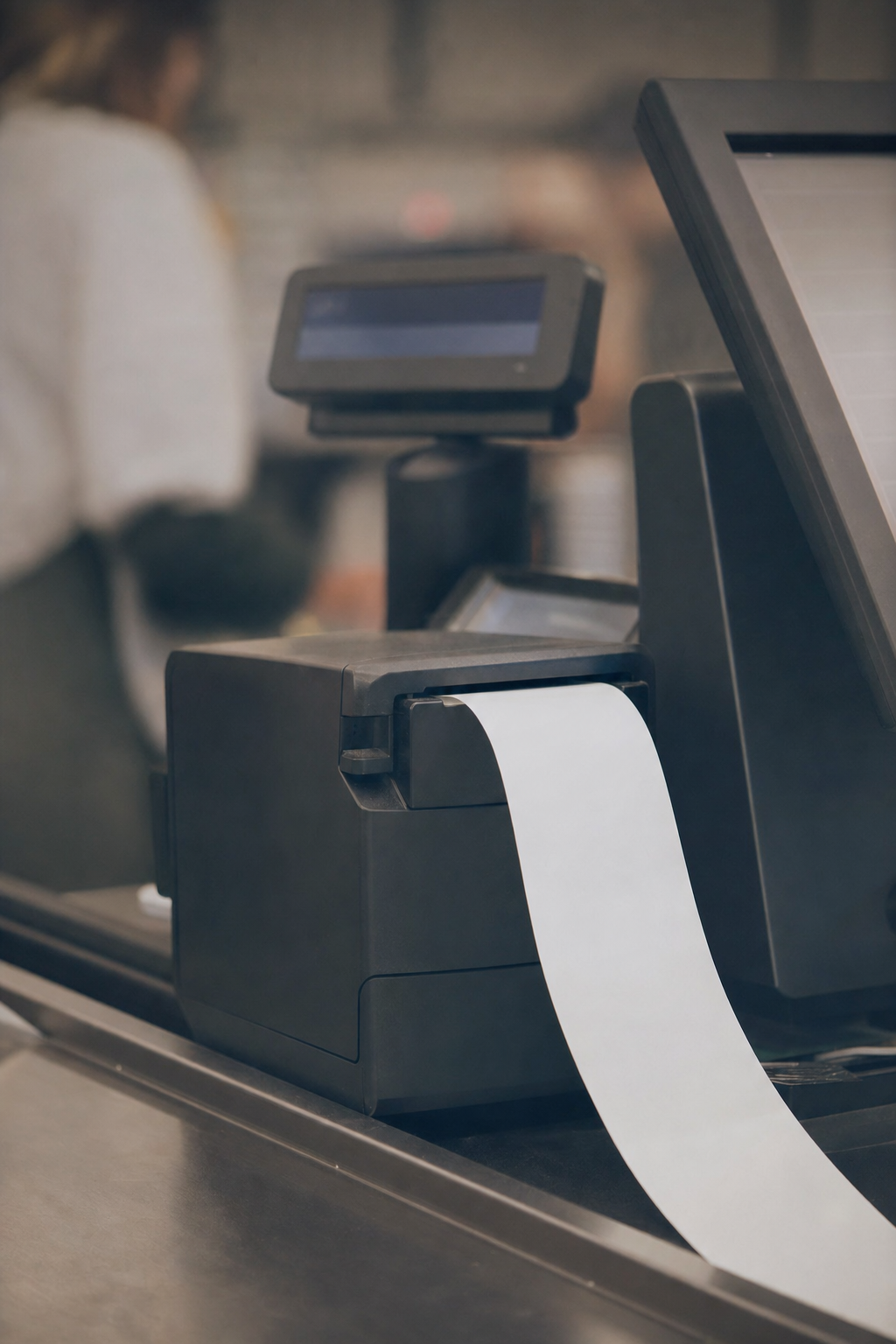
The unit of truth is the receipt. Not the click, not the view, not the model. The receipt.
How does closed-loop measurement actually work?
It connects three data streams that already exist in every retail chain — the work is joining them, not inventing them:
- Exposure. Who had the opportunity to see the campaign — ad server logs online, screen playback logs in-store, delivery records in CRM.
- Identity. Who that shopper is in the retailer's ecosystem — loyalty membership, app login, or payment tokens.
- Transaction. What that shopper bought afterwards — SKU-level point-of-sale data, the same numbers finance already trusts.
- The loop. Exposed buyers compared against a matched unexposed group — the difference is incremental lift, not correlation.
“When measurement is verified at the till, budget debates stop being political and start being arithmetic.”
Why is closed-loop measurement more than a reporting upgrade?
Because a closed loop doesn’t just prove the past — it steers the future. When every campaign result lands back in the planning layer, the next campaign starts smarter: sharper audiences, better placements, creative weighted toward what actually converted. Measurement becomes the feedback mechanism of the whole growth system, not a slide at the end of it.
This is why the operating core validates every activation to the transaction. In a coordinated system, SKU-level results from the store feed strategy, creative, media and CRM — so every purchase makes the next demand cycle sharper. Without the loop, those are five separate departments guessing. With it, they’re one system learning.
What stops retailers from closing the loop?
Rarely technology — usually structure. Exposure data sits with media, identity with CRM, transactions with finance or IT, and each function reports its own KPI. The loop stays open because no one owns the whole of it.
The fix is organisational before it is technical: appoint one owner of the loop, agree that incremental sales is the shared metric, and wire the three data streams together once. Retailers already own every component. Closing the loop is a decision, not a procurement project.